Stepping into the world of additive manufacturing presents a steep learning curve for hobbyists and digital designers alike. Choosing the wrong starting material often results in warped models, clogged nozzles, and general frustration. Navigating the diverse marketplace requires a clear understanding of which thermal properties offer the most forgiving experience for newcomers operating standard extrusion hardware.
Defining the Baseline Characteristics of Beginner Friendly Materials
Amateur makers need a polymer that flows smoothly at accessible extrusion temperatures without requiring a heated enclosure. A standard PLA filament serves as the industry baseline for these precise requirements due to its minimal thermal shrinkage. This biological plastic adheres well to various bed surfaces, which drastically reduces early failures like corner peeling or model shifting.
Identifying the best PLA filament for beginners Based on Printability
When identifying the best PLA filament for beginners, ease of use and structural reliability remain the primary benchmarks. The ideal material must offer a wide temperature window and consistent diameter control to prevent under-extrusion on entry-level machines. New users benefit when a material flows predictably, allowing them to focus on learning slicer settings rather than troubleshooting hardware jams.
Exploring PLA Variants for Creative Beginner Projects
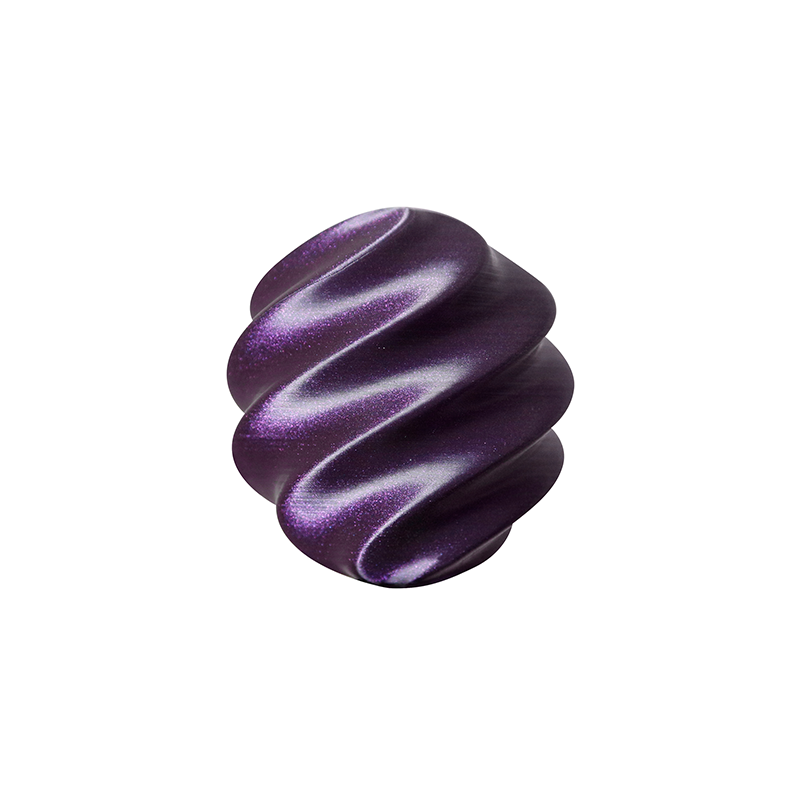
Once basic printing mechanics are mastered, creators often want to elevate the aesthetic quality of their final prints. Utilizing a PLA silk filament allows individuals to produce models with a high-gloss, metallic appearance that naturally hides individual layer lines. This variant achieves its reflective sheen through elastomeric additives blended directly into the biological base structure.
Handling Common Mechanical Challenges During Early Calibration
First-time operators frequently struggle with fine-tuning retraction settings, which can lead to unsightly stringing across gaps. High-purity biopolymers exhibit uniform melting behavior, making it much easier to lock in clean retraction distances during early calibration tests. Choosing a material with predictable viscosity simplifies the learning process for individuals setting up their initial slicer profiles.
Evaluating the Impact of Manufacturing Scale on Material Consistency
Manufacturing scale plays an important role in maintaining consistent filament performance. When materials are produced in larger quantities, small variations in raw materials, extrusion conditions, or production parameters can become more noticeable across different batches. A structured quality control process is therefore needed to identify and manage these variations before they affect end users.
CaiLab supports this approach through large-scale production validation and an internal printing farm with approximately 2,000 printers. This testing environment allows the team to evaluate filament formulations across different printing conditions and collect performance feedback from repeated print runs. By comparing results from multiple batches, they can better understand how material characteristics influence extrusion stability, surface quality, and overall printing consistency.
This combination of manufacturing experience and continuous testing helps create more predictable filament performance for users who require stable results across prototypes, design samples, and small-batch production.
Sourcing Premium Raw Ingredients for Predictable Extrusion
The overall success of an early 3D printing project relies heavily on the purity of the underlying chemical ingredients. They source their primary raw materials from trusted international suppliers such as NatureWorks to ensure stable physical properties across every batch. This strict sourcing approach minimizes diameter fluctuations, preventing unexpected extrusion changes that often ruin long print jobs.
Newcomers can achieve advanced aesthetic results without upgrading their hardware by selecting composite materials with pre-blended optical properties. A multi-color chameleon option packed in convenient 1kg or 200g spools offers an accessible entry point for printing dynamic art pieces. This specialized formulation shifts colors based on the viewing angle, bringing complex geometric models to life effortlessly.
Expanding Creative Project Options Through Extensive Palette Selections
Design studios and custom printing shops require an expansive selection of options to match specific client branding or artistic concepts. Having access to a broad catalog of tones allows creators to execute detailed multi-part assemblies without relying on messy post-processing paints. CaiLab provides a comprehensive selection of distinct hues, allowing makers to find the exact match for their creative work.
Standard PLA vs Silk PLA: What Beginners Should Know
While modified silk options provide an excellent surface finish, their internal layer bonding can differ slightly from standard matte materials. The glossy additives within a PLA silk filament can reduce vertical tensile strength if printed at temperatures that are too low. Beginners should increase their hotend temperature by five degrees when switching to glossy variants to ensure robust part adhesion.
Managing Storage Conditions to Prevent Filament Degradation
All biological polyesters absorb moisture from the surrounding air over time, a process known as polymer degradation. Wet material creates steam bubbles inside the hotend, resulting in rough surface textures and brittle structural walls. Storing every PLA filament spool in a sealed container with desiccant packs preserves the original material properties for future projects.
Maximizing First Layer Adhesion on Various Build Plates
Achieving a flawless first layer is critical because it forms the physical foundation for the entire 3D model. Beginners should utilize a clean textured PEI sheet, which provides excellent grip for warm biological plastics without requiring messy glues. Proper bed leveling ensures the extruded plastic flattens uniformly, maximizing the surface contact area for a successful print.
Modern 3D printers move at incredible velocities, which demands faster melting capabilities from the loaded material. Standard PLA filament options sometimes struggle to melt fast enough during accelerated infill movements, leading to structural voids. Using a farm-tested formulation ensures the plastic maintains an adequate volumetric flow rate even when pushed by rapid modern extruders.
Environmental Benefits of Adopting Biopolymer Materials
Many entry-level users appreciate working with materials that minimize environmental impact during their creative experiments. These polyesters are derived from renewable resources like corn starch, making them a more eco-friendly alternative to petroleum-based options. The absence of harsh chemical odors during extrusion makes these spools ideal for home workshops and school classrooms.
Selecting Appropriate Application Scenarios for Early Designs
Understanding the thermal limitations of biological plastics helps new users avoid structural failures in real-world applications. These materials soften around sixty degrees Celsius, meaning they are unsuited for hot automotive interiors or functional outdoor mechanical fixtures. Ideal projects include architectural mockups, custom board game pieces, decorative household organizers, and non-functional prototyping shells.
Synthesizing Material Selection Strategies for Lasting Success
Navigating early printing projects becomes straightforward when utilizing a forgiving polymer that balances low thermal expansion with reliable bed adhesion. Standard biological compounds remove the technical hurdles that often discourage newcomers during their initial calibration phases. Selecting high-purity, farm-tested options allows creators to achieve clean surface finishes and consistent dimensional accuracy from their very first spool.
