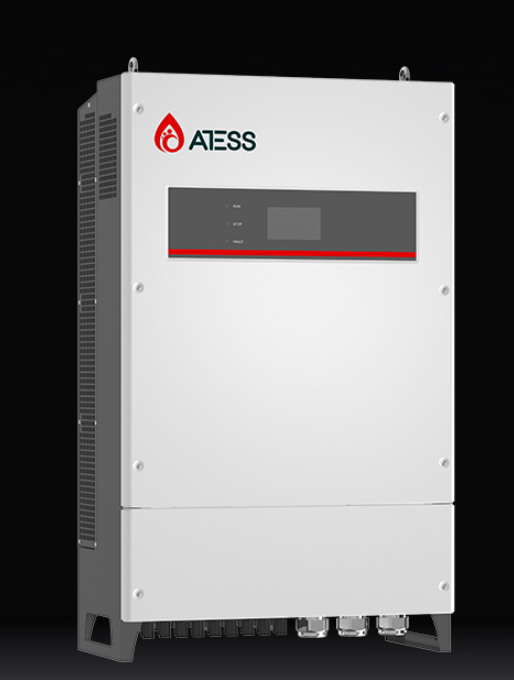
When a hybrid inverter 30kw fails to turn on, electrical conditions are usually the first elements to examine. Many installers check the AC supply, battery voltage, and PV input because even slight deviations can lead to startup issues. They also look for loose terminals or wiring inconsistencies that interrupt the flow of power. Since a hybrid inverter works with multiple energy sources, any imbalance may prevent it from initiating its internal sequence. In commercial installations, this situation often appears when systems are reorganized or when new loads are added. While hybrid inverter 30kw units are designed to adapt to different scenarios, they still rely on proper installation practices and stable electrical inputs.
System Configuration and Protection Settings
Another common cause comes from configuration settings. If communication cables, CT orientation, or monitoring elements are set incorrectly, a system may remain in standby and appear inactive. Some installers also encounter protection thresholds that block startup until parameters meet required conditions. This can happen in sites with unstable grids or sensitive loads. For small commercial users, an inverter such as the HPS30000TL/40000TL/50000TL series provides integrated management that helps avoid these conflicts. These models combine inverter, charge controller, energy management, and STS functions in one unit, reducing the chance of configuration mismatch. Even so, reviewing settings remains essential, especially when working with a 30kw inverter in demanding environments.
Environmental and Load-Related Influence
Temperature, dust, and ventilation restrictions can also cause a 30kw inverter to stay off. Excessive heat may activate internal protection features, while airflow limitations can delay system startup. Installers working in small commercial facilities often check shading, enclosure spacing, and cabinet cleanliness to ensure proper operation. For sensitive loads, seamless transition ability is important because unexpected shutdowns can disrupt operations. In this regard, they choose systems that can support 24/7 usage and handle irregular grid behavior, allowing Atess solutions to perform reliably once proper conditions are restored.
Conclusion
A 30kw inverter may fail to turn on due to electrical instability, incorrect configuration, or environmental limitations. Regular installation checks, accurate parameter settings, and proper site conditions help maintain consistent startup performance. When businesses select a hybrid inverter 30kw capable of integrating multiple functions and responding to complex operating scenarios, they reduce the likelihood of downtime and ensure long-term continuity.
