In modern clinical laboratories, decision-makers increasingly focus on return on investment when evaluating major equipment purchases. Among these, systems for molecular diagnostic testing play an important role in patient care and operational efficiency. As healthcare facilities weigh the costs and benefits, the choice of a capable diagnostic analyzer affects financial outcomes and clinical success.
Understanding the Impact of Molecular Diagnostic Testing
Healthcare providers use molecular diagnostic testing to detect genetic material from pathogens or other biological targets with high sensitivity and specificity. The value of rapid and accurate results is clear: it supports earlier interventions, reduces unnecessary treatments, and improves patient throughput. Techniques like loop-mediated isothermal amplification employed in advanced instruments shorten turnaround times dramatically compared with traditional lab methods, leading to faster decisions and minimized downstream costs.
Operational Efficiency and Cost Savings with a Diagnostic Analyzer
Selecting the right diagnostic analyzer can directly influence operational efficiency. A system that integrates multiple channels and automates data entry reduces staff time spent on manual tasks. Integration with laboratory information systems and barcode scanning streamlines workflows and cuts administrative overhead. Efficient instruments also support a wider range of test parameters in a single run, reducing the need for multiple devices and lowering the total cost of ownership.
EDAN CL30: A Practical Example of Value in Action
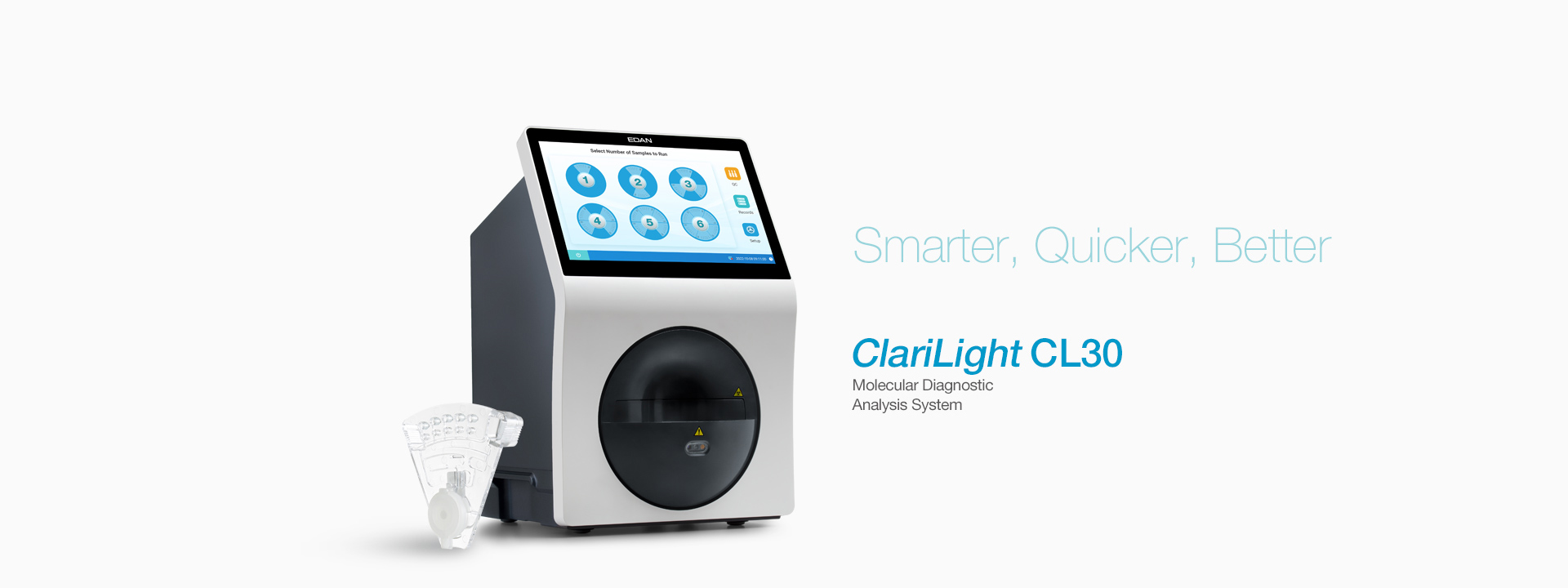
The EDAN CL30 molecular diagnostics platform exemplifies how a multifunctional system contributes to ROI. Designed for flexible molecular diagnostic testing, this analyzer delivers results in as little as 15 minutes and supports tests across multiple respiratory infections. It simplifies laboratory operations with a user-friendly touchscreen, integrated barcode scanning, and seamless data transmission to hospital information systems. The CL30’s extraction-free procedure and room-temperature consumable storage also save preparation time and logistics costs.
Conclusion
Assessing the return on investment for a diagnostic analyzer goes beyond purchase price. It includes factors such as speed of results, labor efficiency, workflow integration, and overall contribution to patient care. With systems like the EDAN CL30, laboratories can maximize the value of molecular diagnostic testing, resulting in tangible benefits for both clinical outcomes and financial performance.
