When businesses explore custom LED display panels, many begin by asking how much it costs to produce a LED screen. Pricing depends on several elements, including materials, structural design, and project requirements. Companies like Retop approach these projects by evaluating product specifications, installation conditions, and customization needs. In many cases, clients also compare different configurations to match budgets while maintaining performance expectations. During this process, a custom LED display screen often requires a tailored plan to balance visual quality and long-term reliability.
How Design Choices Influence Overall Cost
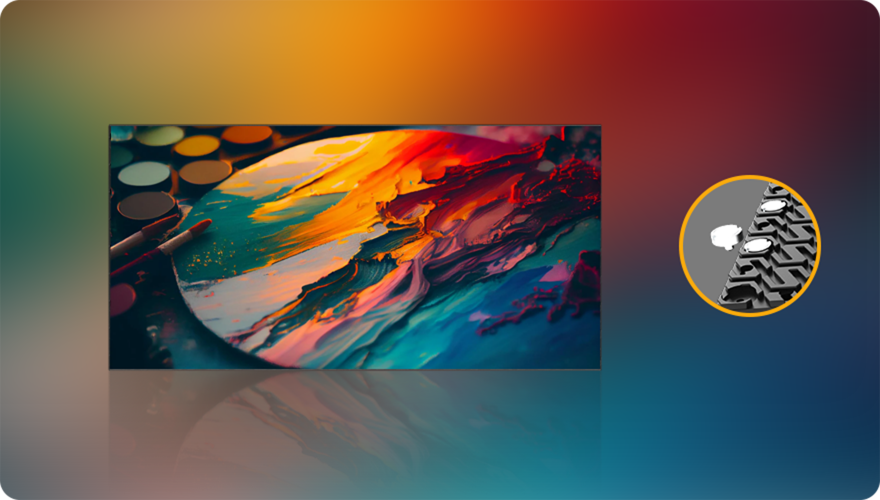
The total cost of building a LED screen is shaped by technical decisions such as pixel pitch, brightness levels, and cabinet structure. When clients request custom LED display panels, small-pitch modules, outdoor protection features, and testing requirements frequently influence pricing tiers. Retop supports these selections through their long-established engineering team, who convert design concepts into practical production steps. Their FC Flexible Module Series demonstrates how design can adjust to specific applications. With its magnetic attachment design and strong magnetic components, it enables quick front maintenance and smooth curved installations, which is particularly useful for a custom LED display screen requiring non-standard shapes. These design differences help explain why project budgets may vary from one application to another.
Production Capabilities and Service Considerations
Another factor affecting cost is production efficiency and project management. Over years of development, Retop has accumulated supplier resources, experienced developers, and stable processes that support consistent manufacturing for custom LED display panels. Their workflow includes multiple testing procedures—such as waterproof, vibration, and voltage tests—to ensure stable performance. When clients plan a custom LED display screen, these service elements, combined with technical guidance and after-sales support, play a significant role in determining total investment. They help clients understand what they are paying for: quality assurance, operational stability, and reliable delivery schedules.
Conclusion: Understanding Practical Cost Components
In conclusion, the cost of making a LED screen is shaped by design goals, technical specifications, and the service support behind each project. Whether a client requires custom LED display panels or a large-scale custom LED display screen, factors such as module flexibility, installation structure, testing procedures, and engineering experience all contribute to the final pricing. By reviewing these elements, businesses can make informed decisions that match both performance expectations and project budgets.
